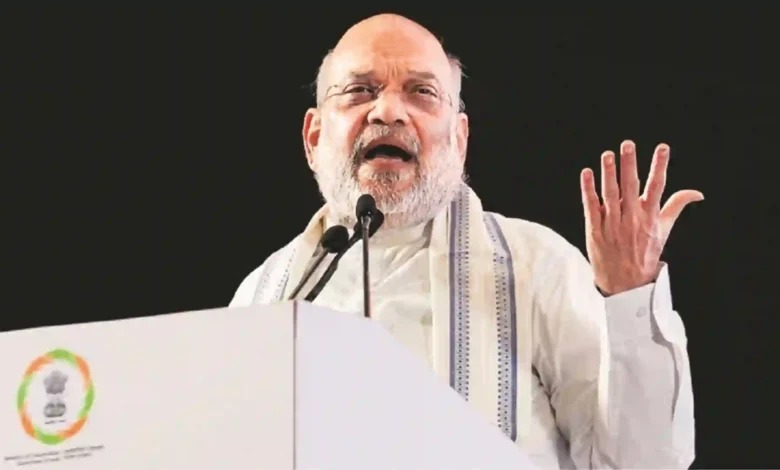
The Central Government is planning to expand the cooperative model into the life insurance sector by supporting the formation of a new cooperative life insurance company. Speaking at an event in New Delhi to mark the 5th Foundation Day of the Ministry of Cooperation, Amit Shah said the government is working on a cooperative life insurance company.
“We will soon launch a utility aggregator cooperative on the lines of Bharat Taxi. Taking lessons from the success of IFFCO-Tokio in providing different types of insurance, we are also forming a cooperative life insurance company. This will increase the presence of cooperatives in the insurance sector,” Shah said.
What is Cooperative Life Insurance?
In simple words, we can say that the government wants the cooperative institutions to create an insurance company and distribute insurance through its network. Cooperative institutions mean an organisation that is formed and collectively owned by a group of people to meet their common economic or social needs.
For example, 100 farmers connect together and form an institution, and each farmer deposits Rs.1000 into that institution. Now, in case of emergency, any farmer can take money from that institution. This money is utilised for the welfare of its members only. This is called cooperative institution.
Organisations such as large dairy, fertiliser, agricultural or other cooperative institutions could invest capital and establish the insurance company. Cooperative banks, societies and other institutions have a strong rural presence. In fact, more than 150 cooperative banks and societies were registered as corporate agents for insurance distribution as of March 3, 2026.
Instead of building a completely new distribution network, this network of banks and societies will be used to distribute insurance to people in rural areas.
How will this Cooperative Insurance Company Work?
A cooperative life insurance company will work like a normal life insurance company, but it may be promoted and owned by cooperative organisations. Large cooperative institutions may come together, invest money and set up the life insurance company. The company will then offer life insurance policies to customers. People will pay premiums, and if an insured person dies during the policy period, the insurance company will pay the applicable insurance amount to the nominee according to the policy terms.
The main advantage of this model could be the large network of cooperative institutions in India. Cooperative societies already have millions of members, particularly farmers and people living in rural areas. The proposed insurance company may use this existing network to reach customers and provide life insurance services. For example, a farmer connected with a dairy or agricultural cooperative may be able to learn about and buy a life insurance policy through an authorised insurance distribution channel linked with the cooperative network.
The money collected as insurance premiums will be managed by the life insurance company. The insurer will maintain required funds, invest money according to applicable rules and pay valid insurance claims. In simple words, premiums collected from a large number of policyholders help the insurance company manage risk and provide financial protection to insured families.
The cooperative part mainly relates to the promotion and network of the insurance company. Instead of being promoted only by private corporate investors or the government, the proposed insurer may be promoted by major cooperative organisations. These institutions could use their strong rural presence and existing relationships with members to increase life insurance coverage in India.
However, the government has not yet announced the final structure of the cooperative life insurance company. Therefore, it is not clear whether individual cooperative members will directly own the insurance company or receive any share of its profits. At present, the basic idea is to use India’s large cooperative network to expand life insurance services, especially in rural and underserved areas.
| Point | LIC | Proposed Cooperative Life Insurance |
|---|---|---|
| Ownership/Promotion | Government-owned insurer | Expected to be promoted through cooperative institutions |
| Main Model | State-owned company | Cooperative-sector-based model |
| Distribution | Agents, branches and digital channels | Could use cooperative networks (banks and societies) in addition to insurance channels |
| Rural Reach | Strong | Cooperative network could provide additional last-mile reach |
| Products | Existing life insurance products | Products not yet announced |
| Current Status | Operating insurer | Proposal is at an early stage |
IFFCO-Tokio Model May Offer Important Lessons
The proposed cooperative life insurance company is expected to take lessons from the success of IFFCO-Tokio General Insurance Company. IFFCO-Tokio was incorporated in 2000 as a joint venture between the Indian Farmers Fertiliser Cooperative (IFFCO) and Japanese insurance company Tokio Marine Group.
IFFCO holds a 51% stake in the general insurance company, while Tokio Marine owns the remaining 49% stake. The successful participation of a major cooperative organisation in the general insurance business has shown that the cooperative model can also play an important role in India’s insurance sector.
Proposed Life Insurance Company Still at Early Stage
The plan to establish a cooperative life insurance company is currently at an initial stage. According to sources, early discussions suggest that existing cooperative organisations may become the first promoters of the proposed insurance company. The government or promoters may also consider bringing in a strategic or insurance partner at a later stage. However, the final structure, promoters and ownership pattern of the cooperative life insurance company are yet to be officially announced.
New Insurance Company May Follow Multi-State Cooperative Model
A senior official said the structure of the proposed company could be similar to the three multi-state cooperative organisations recently established for seeds, organic farming and export promotion. These new cooperative institutions have been promoted by major organisations in India’s cooperative sector.
The promoters include Amul, Gujarat Co-operative Milk Marketing Federation Ltd, National Dairy Development Board (NDDB), IFFCO, Krishak Bharati Cooperative Ltd (KRIBHCO) and the National Cooperative Development Corporation (NCDC).
Bharat Organic Cooperative Model Shows How New Entities Can Be Created
The National Cooperative Organics Ltd (NCOL) is one of the recently established cooperative organisations. The company sells organic products under the Bharat Organic brand. NDDB, Amul and the National Agricultural Cooperative Marketing Federation of India Ltd (NAFED) are among the five promoters of NCOL.
The organisation has an authorised share capital of ₹500 crore. Its initial paid-up capital is ₹100 crore, which has been contributed by its promoters. A similar promoter-based structure could be considered while setting up the proposed cooperative life insurance company.


