Connect with Us
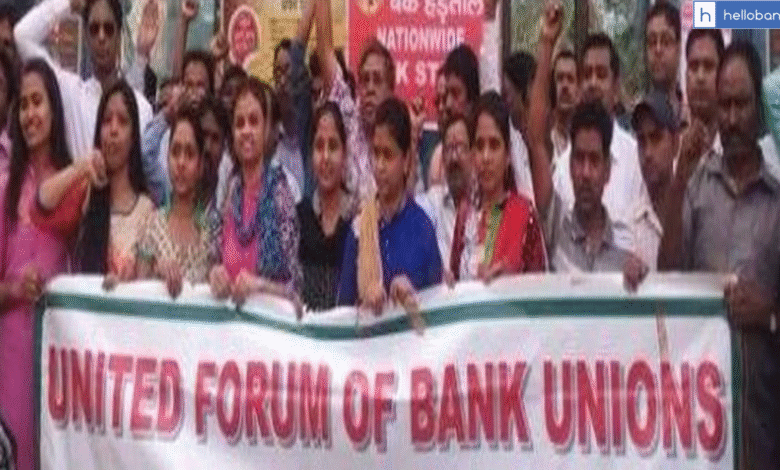
United Forum of Bank Unions (UFBU) has sent suggestions to IBA for improvement of the Group Medical Insurance Policy. On 4th July 2026 IBA had asked UFBU to send suggestions regarding renewal of the Group Medical Insurance Policy for in-service staff and retired staff for the ensuing year 2026-27.
UFBU has sent following 133 suggestions to IBA for Group Medical Insurance Policy
- Combined policy for serving employees and retirees should continue.
- The banking industry should move towards an in-house, self-administered, trust-based medical scheme with empanelled hospitals, direct settlement for routine claims and stop-loss insurance for catastrophic claims.
- IBA should constitute a Joint Working Group of IBA, officers’ organisations, employees’ organisations and an independent actuarial expert, with a six-month mandate to study and recommend transition to the trust-based model.
- The RFP may invite bids for a three-year policy term, or one year plus two assured renewals, with mid-term change of TPA where performance so warrants.
- The policy should carry a pre-agreed premium stability formula linked to incurred claims ratio and subject to a defined cap, so that members and retirees are protected from premium shocks.
- Quoted premium should remain firm for the policy term; cancellation clause, premium review clause, claims review clause and mid-term premium revision clause should be prohibited.
- The scheme should be benchmarked against the best features of RBI, CGHS, MEDISEP, PSU trust models, SBI model, IRDAI norms and GeM standard terms.
- IBA should publish the full updated GMIS policy incorporating all amendments made from 2015 to 2025-26, so that members have one consolidated operative policy document.
- Before finalising the RFP and policy, IBA should hold meaningful physical or structured consultation with all participating workmen unions and officers’ associations.
- The RFP should contain a Pre-Contract Integrity Pact and independent external monitoring mechanism, considering the magnitude of public funds and beneficiaries involved.
- The incumbent insurer’s Right of First Refusal should be deleted or allowed only if the incumbent has achieved at least 95% SLA compliance during the current policy year.
- Base sum insured should be revised to Rs. 10 lakh per family floater, preferably uniformly for all cadres and also for retirees, with dependent family members covered.
- The sum insured and all monetary limits should be periodically indexed to medical inflation, with bidders required to quote for revised and higher alternative slabs.
- Any unutilised amount of an individual employee from the previous year may be considered for carry-forward to the next year.
- No co-payment, deductible, hidden cost-sharing condition or aggregate disease-wise sub-limit should be permitted for any category of member.
- Disease-wise monetary caps should be removed wherever feasible; actual, reasonable and admissible expenses should be payable within the overall sum insured.
- For serving employees there should be no restrictive bar in coverage; alternatively, the base sum insured should be substantially enhanced.
- Banks should bear 100% of the base policy premium for retired employees; at minimum, banks should subsidise 50% and bear the entire base premium for retired subordinate staff.
- Medical insurance premium should be kept out of GST; until waiver is secured, banks should bear GST on retiree premium.
- Retirees’ medical insurance should be uniform irrespective of cadre, with a minimum base cover of Rs. 10 lakh.
- Top-up premium should be substantially reduced and prudently priced; if top-up is retained, it should be at discounted group premium rates.
- The burden of top-up insurance should be reduced by strengthening the base policy and corporate buffer; if top-up is continued, optional slabs such as Rs. 4 lakh, Rs. 6 lakh, Rs. 8 lakh and Rs. 10 lakh may be offered.
- Super top-up options should be made available to serving employees and retirees, with affordable premiums and adequate ceilings, preferably at least Rs. 10 lakh.
- Continuity should be protected when members move between base, top-up and super top-up tiers.
- Room rent and ICU limits should be enhanced to at least Rs. 10,000 and Rs. 15,000 respectively, or rationalised by metro, urban, rural and other locations with actual charges payable wherever lower.
- Separate or single cabin facility should be provided without additional financial liability or restrictive room-rent capping.
- Proportionate deduction should not be applied to medicines, diagnostics, implants, consumables, professional fees, investigation charges or essential procedure-related items.
- Even where proportionate settlement is applied, the claim should not be reduced below the applicable package or procedure rate.
- Every deduction must cite the specific policy clause or IRDAI rule, with item-wise reasons and written justification.
- The reasonable and customary charges clause and GIPSA/PPN principles should be applied judiciously and should not become an obstacle to honouring legitimate claims under the IBA corporate policy.
- Existing day-one protections should be expressly entrenched: no pre-existing disease exclusion, no waiting period, no medical examination and no health declaration at entry or renewal.
- Maternity benefit should be enhanced to Rs. 1 lakh for normal delivery and Rs. 1.50 lakh for caesarean delivery, or at least to the highest levels proposed by constituent unions, with future indexation.
- Newborn cover should be enhanced and should include newborn care, NICU, first-year mandatory vaccinations, congenital conditions and pre-natal/post-natal expenses wherever applicable.
- Cataract ceiling should be raised to Rs. 75,000 per eye or actual admissible expense as per approved package, and should include advanced lenses, laser procedures and related consumables.
- Cataract claims should not be further reduced by PPN/package deductions below the approved ceiling or admissible package.
- Ambulance charges should be enhanced up to Rs. 10,000 per trip, including emergency and inter-city transport; air ambulance should be covered where medically necessary.
- Critical illness benefit should be enhanced to Rs. 5 lakh, and lump-sum payout should be added for heart attack, stroke and kidney failure in addition to existing provisions.
- A special catastrophic illness cover should be created, over and above base sum insured, for cancer, rare diseases and rarest-of-rare conditions.
- Major surgeries, organ transplantation, donor expenses, prolonged treatments and approved stem-cell therapy/transplantation should be covered without restrictive sub-limits.
- Oral and adjuvant chemotherapy should be payable up to double the sum insured on a cumulative basis.
- A care basket for elderly and seriously ill members should include psychiatric IPD, autoimmune therapy injections, arthritis/ankylosing spondylitis injections, bilateral joint replacement benefit, organ transplant and post-hospitalisation special nursing for members above 75 years.
- Albumin Infusion administered under medical supervision should be expressly included as a reimbursable day-care procedure.
- All medically justified emergency treatments and admissions below 24 hours should be covered, including serious cardiac ailments, hypertension and similar emergencies.
- The day-care list should be expanded and made open-ended to include present and future medical advancements requiring supervised treatment, irrespective of length of stay.
- Common day-care treatments should expressly include cancer treatment, chemotherapy, radiotherapy, immunotherapy, biopsy, eye surgeries, cataract, corneal incision, glaucoma, tear duct procedures, ENT procedures, arthroscopy, ligament surgery, fracture reduction, removal of pins/nails/implants, carpal tunnel release, dialysis, angiography, lithotripsy, endoscopy, colonoscopy, hernia, appendicectomy, piles/fistula surgery, minor skin surgeries and accident-related dental surgeries.
- All IRDAI-approved modern treatment methods should be covered without restrictive caps, including robotic surgery, minimally invasive procedures, advanced cancer therapies, immunotherapy, intra-vitreal injections, cyber-knife and stem-cell therapy where permitted.
- No claim should be denied merely because the treatment methodology is modern or not specifically named, if medically justified by the treating doctor.
- TPA should not override the treating doctor’s line of treatment by raising avoidable queries or denying treatment methodology without reasoned medical basis.
- Prescribed domiciliary injectables, supportive medicines, ancillary medicines and organ-protective medicines should be reimbursable when forming part of the treatment plan.
- Surgical consumables and essential items such as gloves, sheets, nursing charges and medically necessary disposables should not be rejected as non-medical expenses.
- OPD benefit should be introduced with a defined annual limit and should cover consultation, diagnostics, prescribed medicines and other prescribed treatments.
- The policy document should expressly publish the outpatient treatment list and the list of admissible OPD benefits.
- OPD should include specialist and general practitioner consultations, diagnostic tests including MRI/CT/X-ray/pathology, pharmacy reimbursement and chronic-care medicines from registered pharmacies.
- OPD sub-limits may be fixed and indexed annually, including a suggested annual limit of Rs. 15,000 to Rs. 25,000 per member where appropriate.
- Two OPD consultation benefits per year may be provided for each insured member, including consultation charges and prescribed diagnostics.
- Preventive health check-up should be provided annually for insured employees, spouses, retirees and retiree spouses, including cardiac, diabetes, cancer and general health screening.
- Preventive healthcare should include wellness counselling, mental health counselling, AI-supported preventive check-ups and diagnostic screening packages wherever feasible.
- Telemedicine, doctor video consultations, home-based post-hospital care, home nursing, home healthcare and palliative care should be introduced.
- Mental illness should be covered on the same basis as physical illness, including psychiatric IPD, OPD consultation, counselling, psychotherapy and prescribed psychiatric medication.
- Dental treatment should be covered and not treated as cosmetic where medically necessary.
- Dental benefits should include dental treatment not requiring hospitalisation, orthodontic treatment for genuine medical indications, accident-related dental surgery and procedures such as extraction under anaesthesia, jaw surgery, abscess drainage and reconstructive treatment.
- Laser treatment for correction of vision should be included subject to appropriate medical indications.
- Infertility treatment should be included within the base policy, subject to reasonable eligibility conditions and limits where necessary.
- Conservative orthopaedic treatment should be covered, including physiotherapy, specialist consultations and non-surgical conservative treatment where surgery or hospitalisation is not clinically required.
- AYUSH treatment should be covered up to 25% of the sum insured at government/NABH/QCI-accredited hospitals, and eligible AYUSH treatments should be clearly listed.
- AYUSH outpatient consultations and domiciliary medicines under recognised AYUSH systems should be covered where prescribed by authorised practitioners.
- Domiciliary treatment should be restored under the base policy for retired employees.
- Domiciliary and chronic-care coverage should be expanded to include chronic, rare and long-term illnesses requiring continuous treatment.
- The expanded list should include neurological, neurodegenerative, endocrine, metabolic, haematological, immunological, respiratory, gastrointestinal, hepatic, genetic and rare diseases, along with autism and dengue treatment where medically justified.
- Speech therapy, occupational therapy, behavioural therapy and long-term supportive therapy should be covered where medically necessary.
- Continuous Glucose Monitoring sensors and consumables should be covered in addition to glucometers and glucose test strips.
- The domiciliary list should be illustrative and not exhaustive, so that medically necessary long-term treatment is not rejected on technical grounds.
- Family members should be covered without income criteria, including parents, parents-in-law, unmarried siblings, widowed/divorced siblings and physically or mentally challenged siblings.
- Parents and parents-in-law not otherwise covered as dependents should be allowed on an optional add-on basis with premium paid by the concerned employee.
- Unmarried physically challenged brother or sister should be recognised as dependent irrespective of income criterion.
- Eligible dependents should be allowed to be added throughout the policy year on pro-rata premium, with coverage from the qualifying event such as marriage, birth or dependency.
- Annual open-entry windows should be available for retirees/spouses who did not subscribe earlier, and mid-year pro-rata enrolment should be permitted for new retirees and family pensioners.
- Cashless treatment should be available at all network hospitals and, as per IRDAI guidelines, the Cashless Everywhere framework should be operationalised for eligible non-network hospitals.
- Until full cashless networking is achieved, for major treatments the insurer should remit advance directly to hospitals instead of forcing employees/retirees to pay first.
- The cashless network should be significantly expanded in Tier-II, Tier-III, rural, remote and semi-urban locations and should include hospitals strategically located for easy accessibility.
- All NABH-accredited hospitals in locations where employees and retirees reside should be empanelled, and a fully equipped nodal hospital should be identified at least at every district headquarters for OPD and cashless treatment.
- Empanelled hospital lists, contact points, scheme updates and empanelment status should be regularly published on the IBA/bank/MIS portal.
- Cashless authorisation should be decided within one hour, and final discharge authorisation should be granted within three hours of discharge request.
- Additional bed charges or other hospital charges arising from delayed discharge authorisation beyond three hours should be borne by the insurer/TPA, not by the member.
- Emergency cashless hospitalisation should be available without procedural delay and should be paperless through digital/app-based pre-authorisation wherever possible.
- Cashless should mean cashless: employees and retirees should not be compelled to pay advances, interim deposits or PPN differentials in network hospitals except clearly inadmissible items.
- PPN/agreed tariff should be strictly enforced against network hospitals, and hospitals collecting excess charges should be penalised or removed from panel.
- PPN or negotiated tariff should apply only where the hospital has accepted such tariff for the scheme; no tariff gap should be recovered from the member where there is no such acceptance.
- Hospital dues should be settled within 15 working days; where cashless is suspended due to insurer/TPA payment default, members’ claims should be reimbursed in full on actuals without PPN reduction.
- A complete digital claims platform should be introduced, including online claim submission, digital documents, digital discharge summary, online/app tracking and quick settlement workflow.
- A simplified and standardised claim procedure should apply across all TPAs and banks.
- Documentation requirements should be minimal and published in advance; digitally signed investigation reports should be accepted and repeated KYC should be dispensed with.
- Once bills are submitted at the branch/bank, it should be the bank’s responsibility to forward them to the TPA; duplicate bills, documents and reports should not be repeatedly demanded from employees/retirees.
- All claim-related queries, communications and reimbursement updates should be routed through the appropriate department of the respective bank or controlling officer, particularly to assist subordinate staff and elderly retirees not comfortable with digital tools.
- TPAs should collect required documents from hospitals directly, and employees/retirees should not be forced to revisit hospitals for document collection.
- Complete reimbursement claims should be settled and credited within 15 days/15 working days of submission of complete documents.
- Small reimbursement claims up to a specified amount should be processed through a simplified digital platform for early settlement.
- Pre-hospitalisation and post-hospitalisation claims should be processed independently and should not be kept pending merely because the main hospitalisation claim is under process.
- A uniform 90-day window from discharge should be allowed for submitting bills and supporting documents, with condonation for documented medical emergency or unavoidable delay.
- Interest at bank rate plus 2% should be paid automatically to the claimant for delayed settlement, in addition to any institutional penalty payable to the bank.
- The 10% tolerance band for SLA breach should be deleted; every delayed claim should carry consequence and at least 95% monthly TAT compliance should be mandatory for TPA continuation.
- Where no query is raised within the prescribed period and the claim remains unsettled beyond the timeline, it should be deemed approved for the admissible amount, subject to post-audit.
- All queries and additional requirements should be raised in one consolidated communication; piecemeal and repeated queries should be prohibited.
- Claims should not be automatically invalidated for delayed query reply; reminders should be issued and closed claims should revive if reply is submitted within 90 days.
- No claim should be rejected or reduced arbitrarily without quoting the exact policy clause or IRDAI rule, and every rejected case should be reviewed for justification and policy compliance.
- No claim should be finally repudiated by the TPA; repudiation should be only by a designated senior officer of the insurer through a reasoned written order.
- Any deduction exceeding 10% of billed amount should carry itemised justification and should be reviewed in monthly audit.
- Where the insured dies during hospitalisation or within 48 hours of discharge, the entire hospital bill except inadmissible non-medical items should be settled without applying avoidable deductions.
- In death cases, mortal remains should be released immediately and the family should not be compelled to negotiate deductions at the hospital counter.
- Corporate buffer should be substantially increased and should be governed by transparent, rule-based and automatic eligibility criteria for high-value treatment.
- Where the regular cashless claim exceeds the individual limit during treatment, corporate buffer should also be sanctioned cashlessly without insisting on a separate reimbursement claim.
- Inter-bank utilisation of buffer should be permitted, with periodic records supplied by IBA to banks and made available to unions/employees.
- Corporate buffer availability, utilisation, balances and direct reimbursement requests for non-network clinics should be transparently tracked through HRMS/MIS wherever feasible.
- Retirees should have a dedicated corporate buffer, retiree domiciliary option and retiree critical illness option, with replenishment provision.
- A uniform TPA should preferably serve both serving employees and retirees; to avoid frequent disruption, TPA tenure may be at least three years, subject to performance.
- IBA should have prior approval and control over TPA appointment, objective empanelment criteria and power to replace a TPA on 30 days’ notice.
- A separate TPA-level SLA should be executed before policy commencement, incorporating clear obligations, TATs, penalties and replacement triggers.
- TPA performance should be reviewed monthly/quarterly through a scorecard covering cashless TAT, reimbursement TAT, query rate, deduction ratio, repudiation ratio, grievance disposal, claim settlement ratio and member satisfaction.
- Provision should exist for mid-term change of TPA where performance review or member feedback justifies replacement.
- A robust grievance mechanism should be created with defined escalation levels, bank/IBA monitoring, online portal, 24×7 helpline, dedicated relationship manager and time-bound response/resolution.
- Dedicated helpdesks should be established in every bank, administrative office and circle to assist employees/retirees on medical insurance issues.
- A four-tier grievance redressal mechanism may be prescribed at regional, zonal, circle/FGMO and central/IBA levels, with written orders and published escalation matrix.
- A feedback system should be implemented to review TPA performance, and member feedback should be used for continuance or replacement of TPA.
- TPAs should not harass patients by raising avoidable cashless queries at the hospital or by repeatedly questioning the doctor’s treatment line.
- Separate hospital registration formalities with TPAs at admission should be discontinued where they duplicate hospital administration and delay treatment.
- Continuity of cashless facility should be ensured during TPA changeover, with prior notice to members and hospitals and carry-forward of pending authorisations.
- Joint Medical Insurance Audit Committees should be constituted in each bank with bank, TPA and union representatives.
- Quarterly review meetings involving IBA, insurer, TPAs, member banks and recognised unions should be institutionalised.
- A live MIS portal should operate from day one with secure access for IBA and nominated officials of all participating banks.
- The portal should show claim-level status, chronological event history, ageing, deduction analysis, repudiation reasons, TAT compliance and TPA-wise scorecards.
- All periodic reports should be auto-generated from the MIS portal, and quarterly scheme performance statements should be shared with member banks and recognised organisations.
- Claims data should vest with IBA and remain portable in machine-readable form to any successor insurer or TPA.
- Empanelled hospital lists, contact points, scheme circulars and updates should be communicated transparently to all serving and retired employees through banks and IBA website/portal.
How much medical insurance amount is provided to Bank Employees Right Now
Right now, the medical insurance amount is very less for bank employees.
Advertisement
Medical Insurance Amount for Serving Employees
| Post | New Limit | Old Limit |
|---|---|---|
| Award staff | Rs. 4.00 lacs | Rs. 3 lacs |
| Officers upto Scale V | Rs. 5.25 lacs | Rs. 4 lacs |
| Officers Scale VI & above | Rs. 7.00 lacs | Rs. 4 lacs |
| Corporate Buffer | Rs. 125 crores | Rs. 100 crores |
Medical Insurance Amount for Retired Employees
| Staff Category | New Limit | Old Limit |
|---|---|---|
| Award Staff | ₹4.00 Lakh | ₹3.00 Lakh |
| Officer Staff up to Scale V | ₹5.25 Lakh | ₹4.00 Lakh |
| Officer Scale VI and Above | ₹7.00 Lakh | ₹4.00 Lakh |
| Officer Scale VI and Above (Optional Choice) | ₹5.25 Lakh or ₹7.00 Lakh | — |
Click here to read the existing medical insurance policy for bank employees
Advertisement

Advertisement