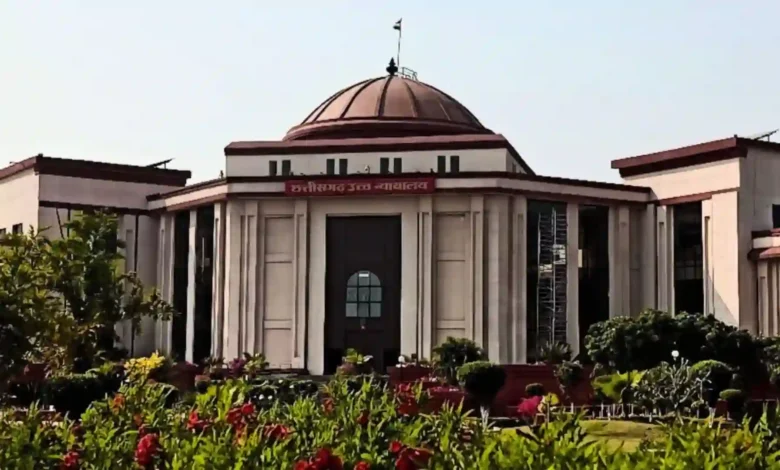
Chhattisgarh High Court: Bank Must Inform Borrower if Loan Insurance Proposal is Rejected

| ➡️ Click here to Join Whatsapp News Group - Get instant updates of all Banking News |
The Chhattisgarh High Court has ruled that a bank must inform a borrower if an insurance proposal linked to a loan is rejected by the insurance company.
The Court said that if the bank receives information about the rejection but fails to inform the borrower, it can amount to deficiency in service.
What is the Case About?
The case was related to a borrower who had taken a housing loan from the State Bank of India (SBI). Along with the housing loan, the borrower paid an insurance premium through SBI under the SBI Life Rinn Raksha Group Insurance Scheme.
The insurance was linked to the housing loan and was processed under a group insurance arrangement.
However, the insurance company later rejected the borrower’s insurance proposal because the required medical documents were not submitted.
After rejecting the proposal, the insurance company refunded the insurance premium to SBI.
SBI Received Insurance Rejection Letter and Premium Refund
SBI received the communication regarding the rejection of the insurance proposal. The bank also received the refunded insurance premium from the insurance company.
However, SBI did not inform the borrower that his insurance proposal had been rejected.
The bank also did not credit the refunded insurance premium to the borrower’s account during his lifetime.
Consumer Commissions Find Deficiency in Service
The matter was considered by the District, State and National Consumer Commissions.
The consumer commissions held that SBI’s failure to inform the borrower about the rejection of the insurance proposal amounted to deficiency in service.
According to the consumer forums, the borrower was deprived of an opportunity to obtain insurance coverage from another insurance company.
If the borrower had been informed about the rejection, he could have explored other insurance options.
Bank Had a Duty to Inform the Borrower
The consumer commissions also observed that SBI had agreed to help the borrower obtain insurance under the Master Policy.
Once the bank agreed to facilitate the insurance process, it had a duty to inform the borrower about the decision taken by the insurance company.
The bank could not remain silent after receiving the rejection letter and the refunded premium.
SBI Challenges Consumer Commission Orders in High Court
SBI challenged the orders of the consumer commissions before the Chhattisgarh High Court under Article 227 of the Constitution.
The case was heard by Justice Ravindra Kumar Agrawal.
SBI requested the High Court to interfere with the findings and orders passed by the District, State and National Consumer Commissions.
High Court Upholds Consumer Commission Orders
The Chhattisgarh High Court found no serious error or jurisdictional problem in the decisions of the consumer commissions.
The Court observed that SBI had received both the insurance rejection communication and the refunded premium.
Once the bank received this information, it was required to act carefully and inform the borrower about the rejection of the insurance proposal.
The Court held that SBI’s failure to inform the borrower justified the finding of deficiency in service.
Accordingly, the High Court dismissed SBI’s petition and upheld the orders passed by the consumer commissions.
Conclusion
The Chhattisgarh High Court’s ruling highlights the responsibility of banks when they help borrowers obtain insurance linked to a loan. If a bank receives information that an insurance proposal has been rejected, it must communicate this information to the borrower without unnecessary delay.
The judgment also shows that simply forwarding an insurance proposal is not the end of a bank’s responsibility when the bank has agreed to facilitate insurance under a group policy. Proper communication is important because a borrower may choose another insurance plan if the first proposal is rejected. Failure to provide such important information can deprive the borrower of an alternative and may amount to deficiency in service.
Download Court Order PDF(This PDF is available for Premium Users Only. Click here to join premium)