Banks Cannot Bypass Disciplinary Proceedings, Court cancels order of Punjab National Bank

| ➡️ Click here to Join Whatsapp News Group - Get instant updates of all Banking News |
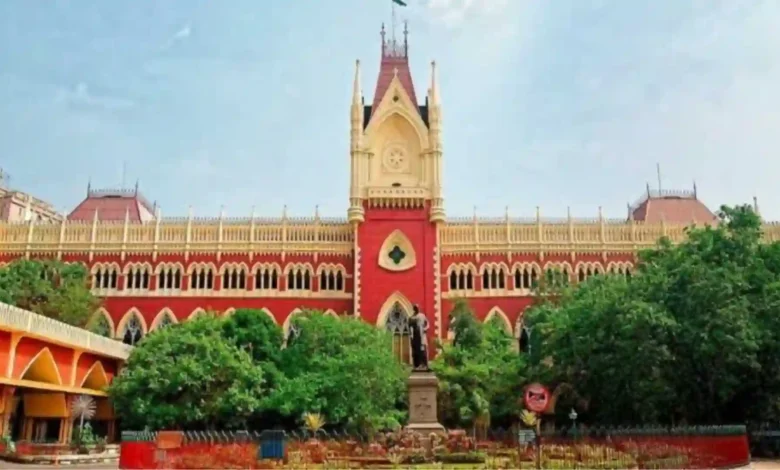
The Calcutta High Court has ruled that Banks Cannot Bypass Disciplinary Proceedings. The High Court has set aside the premature retirement of a former Senior Manager of the erstwhile United Bank of India, which has now merged with Punjab National Bank. The Court held that the bank failed to follow a fair procedure before removing the officer from service.
Justice Ananya Bandyopadhyay observed that administrative authorities cannot use premature retirement rules as a shortcut to avoid disciplinary proceedings. The Court said such authorities must act with “fairness, transparency and constitutional fidelity.”
Bank Officer Challenges Premature Retirement Order
The petitioner, Md. Shams Biswas alias Tapan Biswas joined the bank in 1981 as a Clerk and later rose to the position of Senior Manager. He said that the bank had acted arbitrarily. He said the bank relied on a medical opinion but did not provide him with the medical reports or the recommendations of the committee. He also alleged workplace discrimination related to caste and religion. He claimed that he was targeted after raising concerns about alleged irregularities and corruption within the bank.
Bank Says Officer Was Found Unfit to Continue in Service
The bank defended its decision and said the officer had repeatedly sent abusive and accusatory communications to various authorities. The bank also stated that a medical board had found him unfit to continue in service due to a “persistent delusional disorder.” The High Court closely examined Regulation 19(1). The regulation allows a bank to prematurely retire an officer in the public interest after a review by a special committee. The Bank said that the employee was mentally unfit.
Premature Retirement Power Is Not Unlimited: High Court
Justice Bandyopadhyay held that the power to prematurely retire an officer is not unlimited. The decision must be based on an objective assessment and a fair procedure. The Court added that such power remains “circumscribed by the principles of reasonableness, transparency and procedural fairness.”
Competent Authority Mechanically Approved Recommendation
The High Court found several flaws in the procedure followed by the bank. The Court noted that the competent authority had mechanically approved the recommendation of the special committee. The authority did not provide any independent reasoning for accepting the recommendation. The bench also criticised the bank for failing to provide the medical report and committee recommendations to the officer despite his repeated requests. The High Court held that the failure to disclose these documents violated the principles of natural justice.
Bank Retired Officer Before Last Day of Month
The High Court also noted that the officer was prematurely retired on March 22, 2016, instead of the last day of the month. The bank did not provide any explanation for retiring him before the end of the month. The Court also explained the difference between disciplinary proceedings for misconduct and an administrative review under Regulation 19(1).
Bank Should Have Started Disciplinary Proceedings for Misconduct
Justice Bandyopadhyay observed that if the bank believed the employee’s conduct amounted to misconduct, it should have started disciplinary proceedings against him. The bank could not use premature retirement as an alternative to disciplinary proceedings.
Discrimination Allegations Required Greater Fairness
The High Court further noted that the allegations related to caste and religion were not conclusively proved. However, the Court said such allegations placed a “heightened duty” on the authorities to ensure fairness and neutrality while making their decision.
High Court Quashes Premature Retirement Order
The Calcutta High Court allowed the writ petition and quashed the premature retirement order dated March 22, 2016. The Court also set aside all consequential and appellate orders. The matter has been sent back to the competent authority for fresh consideration. The High Court directed the bank to provide the petitioner with all the materials it proposes to rely upon. These documents include medical reports and committee recommendations. The bank must then give the officer an opportunity to respond and pass a fresh, reasoned order in accordance with law.
- Download Court Order PDF (This PDF is available for Premium Users Only. Click here to join premium)