
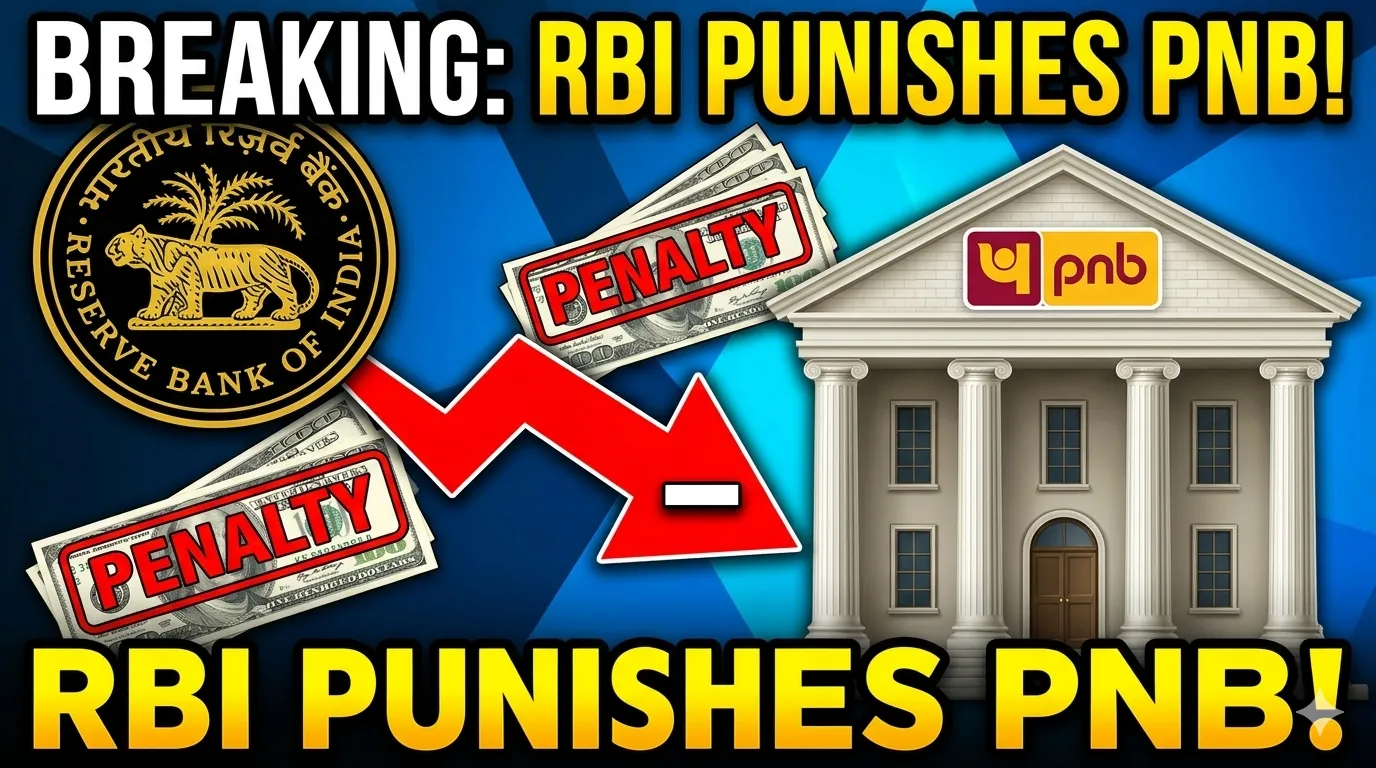
The Reserve Bank of India (RBI) has imposed a monetary penalty of ₹5.66 lakh on Punjab National Bank (PNB) due to irregularities related to a currency chest. The penalty was imposed because of a shortage of notes detected at a currency chest operated by the bank.
Currency chests are facilities where banks store large quantities of currency on behalf of the RBI. These chests are responsible for the distribution and management of cash in the banking system. Any shortage or irregularity in these chests is taken seriously by the central bank, which can lead to penalties or regulatory action.
As on February 28, 2025, there were 2691 currency chests.
A Currency Chest is a place where large amounts of cash are stored by banks on behalf of the Reserve Bank of India (RBI). These chests help in distributing currency notes and coins across different parts of the country.
Currency chests are usually located in selected bank branches. These branches store and manage cash supplied by the RBI and help ensure that banks and ATMs always have enough currency available.
- Store large quantities of currency notes and coins
- Distribute cash to bank branches and ATMs
- Collect soiled or damaged notes from banks
- Maintain proper records of currency movement
- Public sector banks
- Private sector banks authorized by RBI
- Selected branches that meet RBI security requirements
Currency chests play an important role in managing the supply of cash in the banking system. They help the RBI maintain smooth circulation of currency across the country.
-

-

-
-

-

-

-
-

-

-

-

-


