Banking on WhatsApp: SBI Customer Data at Risk as Confidential Information Shared in WhatsApp Groups

If you thought WhatsApp was only for “Good Morning” messages, family groups, and office reminders, think again. According to a shocking report published by the Dainik Bhaskar News Group, WhatsApp is now allegedly doing something far more serious — handling sensitive banking information of the country’s largest public sector bank, the State Bank of India (SBI).
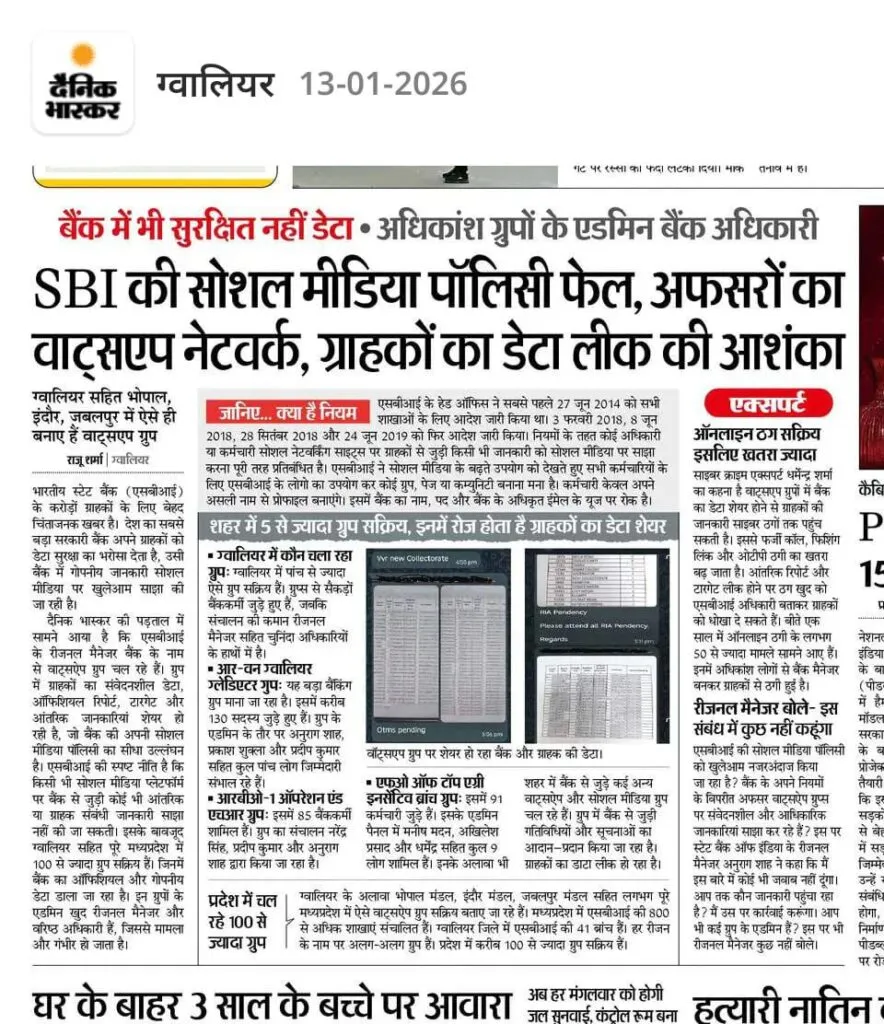
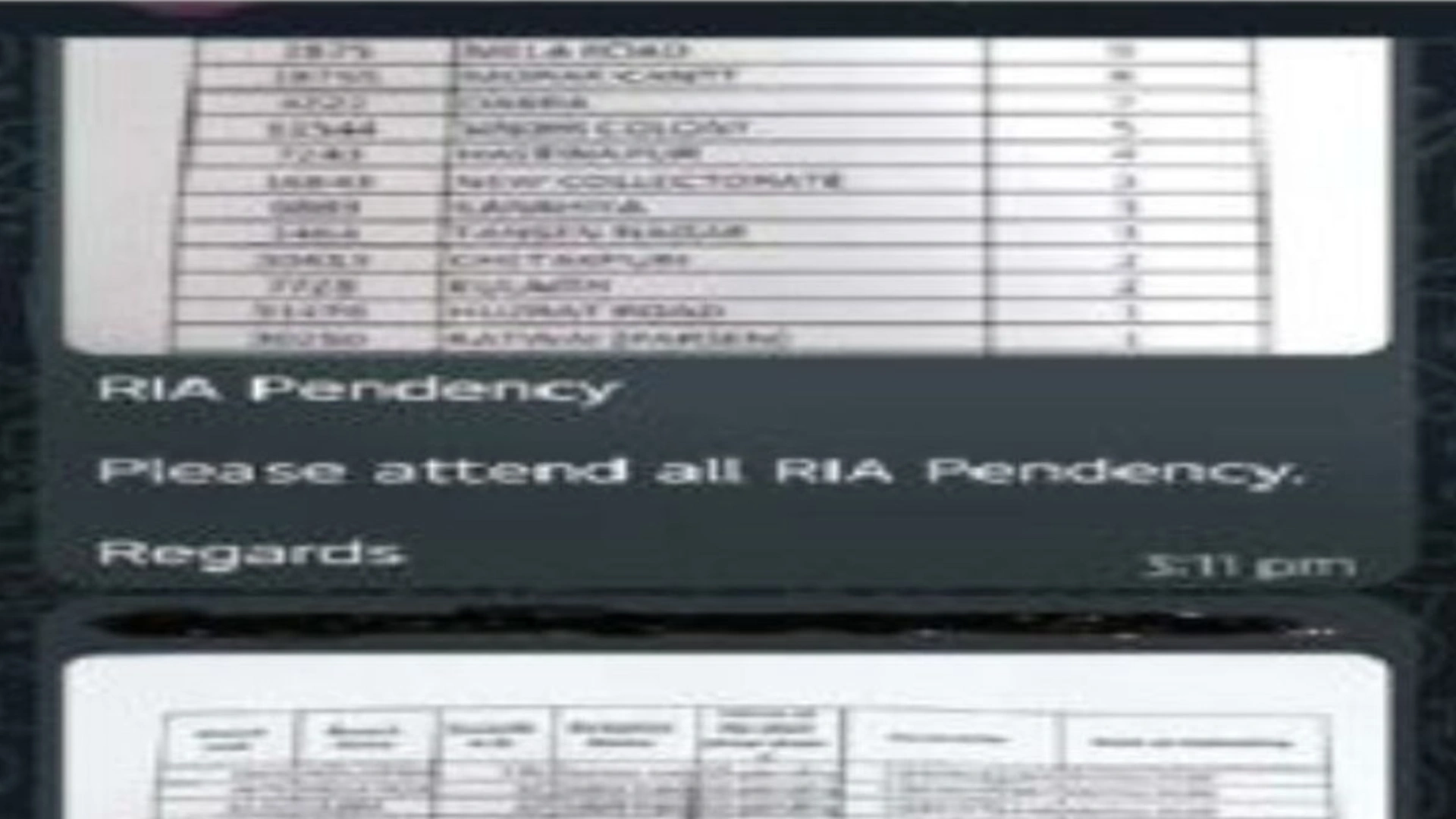
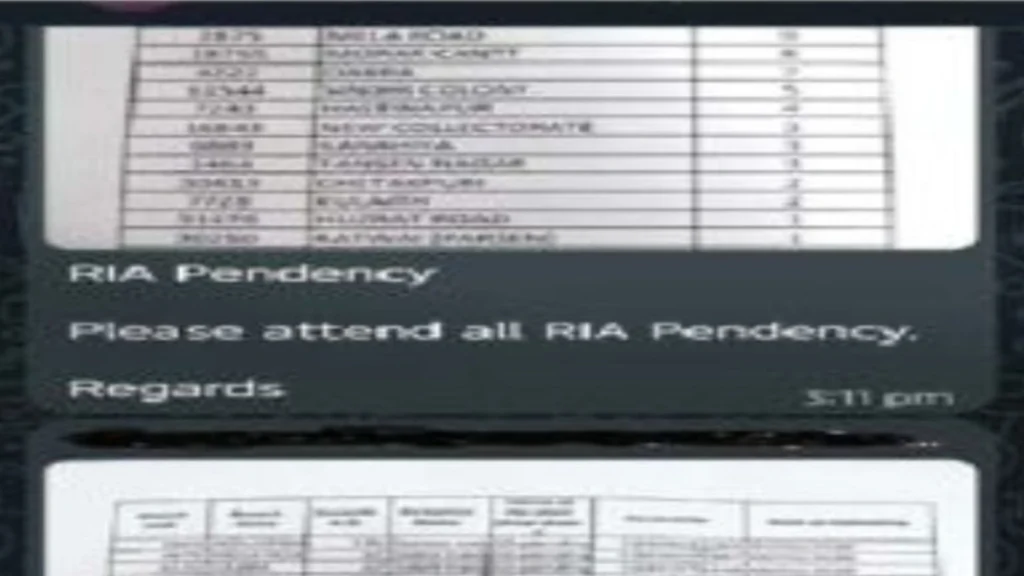
The report claims that data of millions of SBI customers may be at risk because sensitive information is being openly shared in WhatsApp groups. Screenshots of these groups have reportedly surfaced, showing customer details, internal reports, business targets, and official bank information being circulated casually — as if banking data were just another forwarded message.
What makes this even more alarming is the claim that these WhatsApp groups are not being run secretly by a few employees. Instead, they are allegedly managed by regional managers and senior officers themselves, using the SBI name openly. If these claims are true, this is not a minor lapse but a direct contradiction of SBI’s own social media and data security rules.
From Banking Halls to WhatsApp Groups
Originally, these WhatsApp groups were created for a simple reason — convenience. Senior officers wanted quick updates from branch staff and field employees. Instructions were shared, targets were discussed, and reports were collected. But over time, what started as “quick communication” has quietly turned into full-scale banking operations on WhatsApp.
The number of such groups has reportedly increased sharply. WhatsApp is no longer just a messaging tool; it has become an unofficial reporting system. Daily performance updates, sensitive internal discussions, and sometimes even customer-related data are now expected to be shared through personal mobile phones.
Convenience at the Cost of Security
This growing dependence on WhatsApp raises a serious question: Is convenience being prioritised over security? WhatsApp is not a banking platform. It is not designed to handle sensitive financial data. Messages can be forwarded, copied, downloaded, or screenshotted in seconds. Phones can be lost, stolen, hacked, or accessed by others. Chat backups are stored outside the bank’s control.
In simple words, once data goes to WhatsApp, control over that data is largely lost. For a sector that talks endlessly about cybersecurity, firewalls, audits, and compliance, relying on a chat app for official reporting sounds dangerously ironic.
Clear Rules, Clear Violations?
What makes the issue more troubling is that SBI already has very clear rules. Over the years, the bank’s head office has issued multiple official orders — in 2014, 2018, and 2019 — clearly stating that customer data and internal bank information must not be shared on social media platforms. Employees are not allowed to create groups using the SBI name or logo, mention official designations, or share bank-related information online.
Yet, according to the report, more than 100 such WhatsApp groups are active in Madhya Pradesh alone. Gwalior has emerged as one of the centres of this practice, with multiple SBI-related groups reportedly operating openly and involving hundreds of employees.
Some of these groups allegedly include dozens of members and are managed by multiple administrators, including senior officers. Similar groups are said to be active in cities like Bhopal, Indore, and Jabalpur, across a state that has over 800 SBI branches.
Silence from the Top
When questions were raised, the SBI Regional Manager reportedly did not deny the existence of these groups. Instead, attention was shifted to the source of the information, with hints of action against those who shared it. For customers, this response only deepens concerns. If such groups exist, shouldn’t the focus be on fixing the problem rather than questioning the messenger?
Not Just a Data Risk, But an Employee Problem Too
This WhatsApp culture is not just risky for customers; it is also unhealthy for employees. Staff members are reportedly under constant pressure to remain online, read every message, and acknowledge instructions — sometimes even outside office hours. Miss a message, and you may be questioned. Forget to acknowledge, and you may be scolded.
Work-life balance quietly disappears. Stress increases. Confusion grows as important instructions get buried among dozens of messages. Worse, employees are asked to share official data from personal phones, exposing them to personal risk if something goes wrong. If data leaks, who will be blamed — the system or the employee who followed orders?
Banking Needs Systems, Not Chat Apps
Banks are built on structured systems, secure networks, audit trails, and accountability. WhatsApp offers none of these in a formal sense. Using it for serious banking operations weakens record-keeping, blurs professional boundaries, and creates risks that no public sector bank can afford.
The Bigger Question
So the big questions remain unanswered. Are banking rules being openly ignored? Are senior officers setting a risky precedent? And if customer data is misused tomorrow, who will take responsibility?
For millions of SBI customers, “banking on WhatsApp” may sound modern and fast. But when security, trust, and accountability are at stake, this convenience may come at a very high cost.