| ➡️ Click here to Join Whatsapp News Group - Get instant updates of all Banking News |
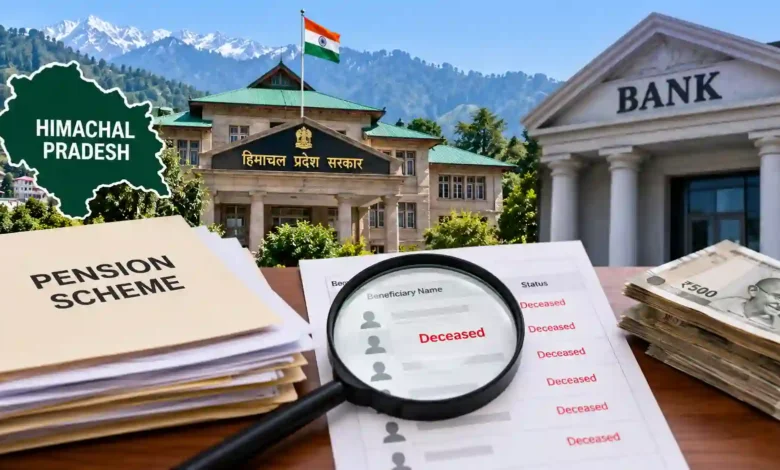
The Himachal Pradesh government has decided to examine the role of banks after it was found that social security pensions were being paid in the names of around one lakh deceased beneficiaries. The Finance Department has started an inquiry to find out how pension payments continued after the beneficiaries had died and why the payments were not stopped on time.
Finance Secretary Dr. Abhishek Jain has sought a detailed report from the State Level Bankers’ Committee. The inquiry will focus on the banking side of the issue, including how long the accounts of deceased pensioners remained active and how pension amounts continued to be credited to those accounts.
The government will also examine the systems followed by banks to identify deceased account holders. It will seek information on the steps taken by banks to close or deactivate accounts after receiving information about the death of an account holder.
Banks have been asked to provide details of the number of accounts belonging to deceased pension beneficiaries identified in each bank. The bank-wise information will help the government determine whether the issue was limited to a particular bank or area or whether it affected several banks across the state.
The Finance Department also wants to know for how long pension payments continued to be credited into the accounts after the beneficiaries’ deaths. The government has a prescribed process for stopping social security pension payments when a beneficiary is no longer eligible. The inquiry will therefore examine whether the existing process was followed and whether banks acted promptly after receiving information about the death of an account holder.
Another important part of the investigation will be to find out whether banks informed the concerned government departments after identifying the death of a pension beneficiary. The government wants to determine whether such accounts could have been identified earlier through the banking system and whether the required action was taken.
Given the large number of deceased beneficiaries involved, the government believes that simply removing their names from the pension list will not be enough. It also wants to calculate the total amount of pension deposited into their bank accounts after their deaths and determine how long such payments continued.
For this purpose, pension records will need to be matched with banking transaction records. This reconciliation will help the government determine the actual amount of public money transferred to accounts after the beneficiaries had died.
The inquiry will also determine the reason behind the lapse. If the problem was caused by delays in updating records, communication gaps or technical issues, the government may introduce measures to improve the system and prevent similar incidents in the future.
However, if the investigation finds deliberate negligence, failure to follow prescribed procedures or serious lapses in monitoring, the government may take action to fix responsibility.
The government’s immediate priority is to ensure that pension payments to deceased beneficiaries are completely stopped and that public funds are not wrongly transferred in such cases. The bank-wise report is expected to provide a clearer picture of how the payments continued and where the responsibility for the lapses lies.


