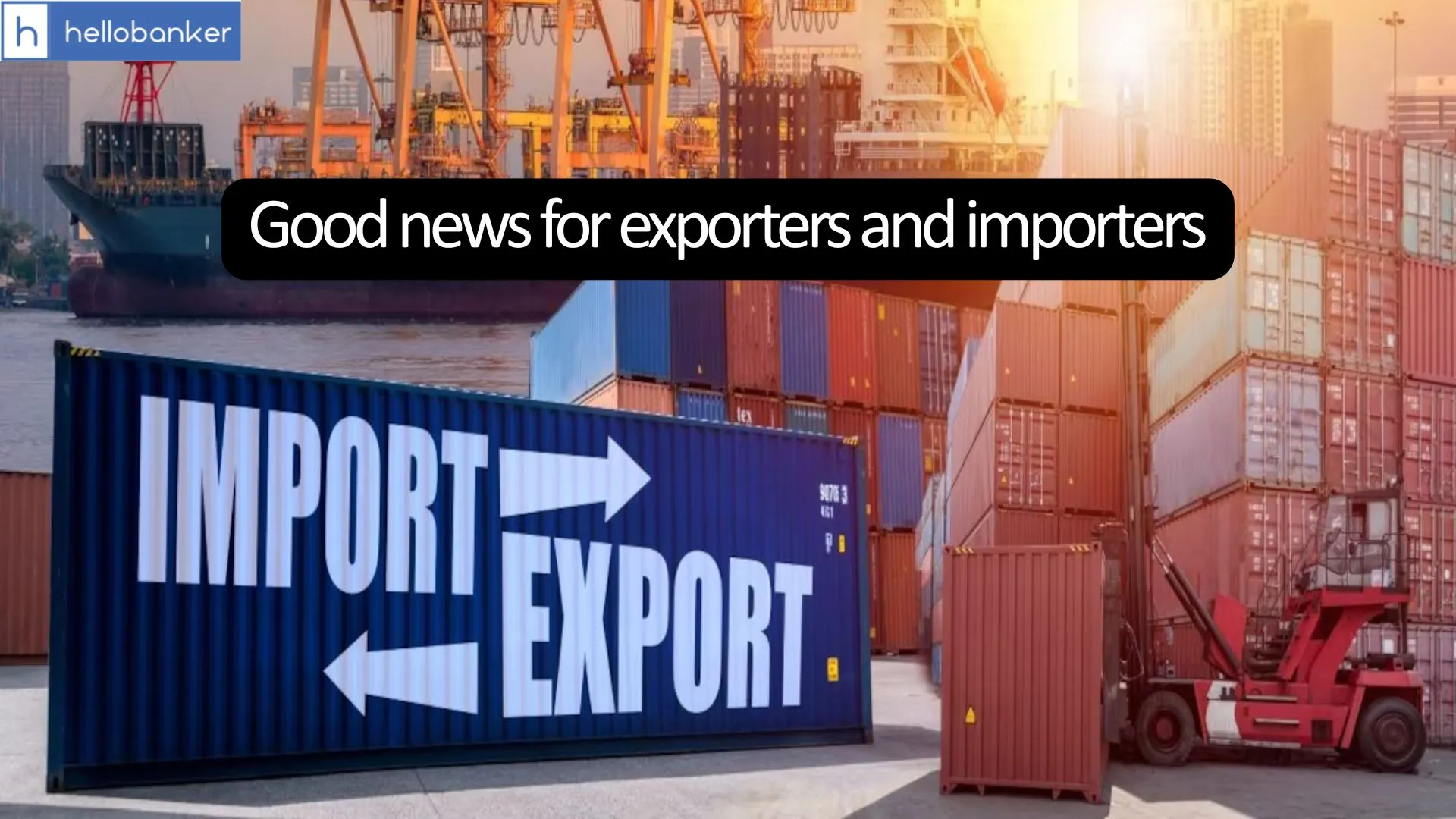
Finance Minister Nirmala Sitharaman has announced that the government will soon bring major reforms to the customs system, calling it the next big transformation after earlier tax reforms. The aim is to simplify the rules so that traders and businesses do not face unnecessary hurdles while importing or exporting goods. Over the past two years, the government has been reducing customs duty rates in many areas, and now the focus will shift to items where duties are still higher than expected. The larger goal is to create a more transparent, efficient, and business-friendly system.
It seems the government is thinking a lot about exporters and importers. Recently, the Government had launched Credit Guarantee Scheme for Exporters (CGSE) to provide collateral free loans to exporters. Click here to read about this scheme.
Customs is the department responsible for regulating all goods entering and leaving the country. It also checks vehicles, personal belongings, and ensures no dangerous or illegal items are transported. Sitharaman said the current system has become too complicated, making compliance difficult for ordinary people and businesses. The new plan is to simplify procedures, increase transparency, and align India’s customs standards with the World Customs Organization. As duty rates have been reduced in many sectors, remaining items with high duties are also likely to see cuts.
Customs duty is a tax charged on goods entering or leaving India. It helps the government earn revenue and protects local industries from cheaper foreign products. Basic customs duty in India is usually 10%, though rates on some items are higher. The planned reforms aim to bring these rates to optimal levels and make the overall system much easier to navigate.
The Finance Minister stressed that the customs system must be made very simple so that people do not feel burdened or exhausted while dealing with it. She explained that just like income tax reforms—where faceless assessments helped remove harassment and “tax terrorism”—customs procedures also need a similar clean-up. According to her, the problem is not the tax rates but the way the system is administered. She highlighted the need to rely more on technology, particularly scanning systems, so that physical contact between customs officials and cargo reduces. This would speed up the clearance process and reduce the scope for discretion.
Sitharaman explained that India’s reform journey is long and ongoing. The government has always tried to match global benchmarks, and these customs reforms are part of that effort. Duty cuts in the last two years have already helped traders, but some sectors still face high rates. A complete overhaul of customs rules is expected to improve the business environment and attract more foreign investment. Experts believe that simpler procedures, faster clearances and transparent processes will make India a more attractive destination for global businesses.
These reforms are likely to make trade smoother and encourage more people to engage in import-export activities. Small and medium businesses will benefit the most, as simpler rules will reduce compliance time and costs. Lower duty rates will make imported goods cheaper, giving relief to consumers. At the same time, increased use of scanning technology will ensure that security and checks remain strong. Sitharaman noted that the main challenge is balancing ease of doing business with preventing illegal imports. The government aims to complete most reforms before the upcoming Budget, which will further support the country’s growth.
-

-

-

-

-

-

-
-
-

-

-

-