Bankers illegally selling currency notes in Kanpur? Investigation Exposes Black Market Nexus


Fresh currency notes, which should be issued to the public directly through banks, are being openly sold at high prices on the roads of Uttar Pradesh. A detailed investigation has revealed that Kanpur’s Ghantaghar area has become the main hub of black marketing of new currency notes, especially during the ongoing wedding season.
As per Dainik Bhaskar investigation, Bundles of crisp notes of ₹1, ₹5, ₹10, ₹20, ₹50 and ₹100 denominations are being sold at prices far above their actual value. Shockingly, shopkeepers openly claim that bank officials themselves supply these fresh notes to the market after taking commission.
Fresh Notes Cost More Than Their Face Value
During the investigation, it was found that:
- A bundle of 100 fresh ₹1 notes is sold for ₹2,700
- A bundle of 100 ₹10 notes costs ₹1,370
- A bundle of 100 ₹20 notes costs ₹2,480
- A bundle of 100 ₹5 notes costs ₹1,300
- A bundle of 100 ₹50 notes costs ₹5,170
- Fresh ₹100 notes are also available at extra cost
This means people are paying many times more than the actual value just to get crisp notes
Wedding Season Driving Demand
The demand for fresh notes has increased sharply due to the wedding season. Crisp notes are widely used in note garlands, wedding rituals, and ceremonies. However, when common people visit banks to request fresh notes, they are usually turned away with excuses such as:
- “Notes are not available”
- “Come after a few days”
- “Only one bundle may be given”
This is despite RBI guidelines clearly stating that banks cannot refuse to issue fresh notes if they are available.
Dainik Bhaskar Investigation: From Wedding Garlands to Black Market
The Bhaskar team first reached Shastri Nagar in Kanpur, where garlands made of new currency notes are openly sold. A garland maker named Ruby admitted that she charges extra money for fresh notes.
She said that if customers bring their own notes, she charges only for making the garland. But if she arranges the notes herself, she charges an additional ₹500 per bundle, as she buys fresh notes from shops in Ghantaghar at higher prices.
Ruby clearly stated that fresh notes are purchased from the black market, and prices change daily.
Ghantaghar: Centre of Illegal Fresh Note Trade
The investigation team then visited Ghantaghar, where several roadside shops without proper name boards openly deal in currency exchange.
At one shop, Anil Brothers, the shopkeeper Vijay made startling claims. He openly said that bank officers and clerks bring bundles of fresh notes directly to shopkeepers, who then sell them at a profit.
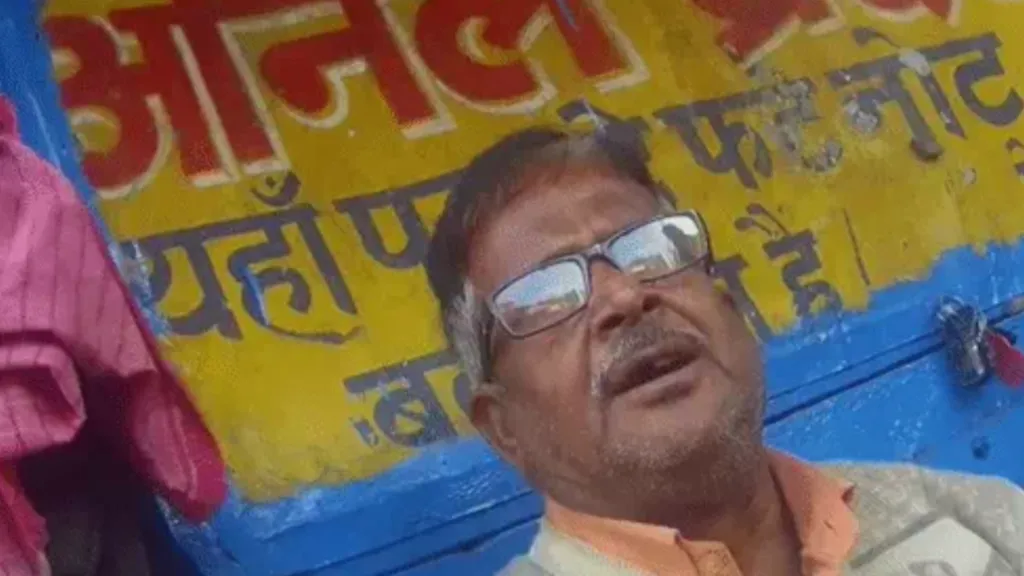
According to Vijay:
- There is no shortage of fresh notes
- Buyers can get ₹5 lakh to ₹10 lakh worth of fresh notes immediately
- All transactions are done only in cash
- Online payment is not accepted
Bank Officials Allegedly Earn Commission
Vijay claimed that bank officials earn ₹3,500 extra for every 1,000 fresh notes they supply to the market. He also alleged that many bank employees store fresh notes at their homes instead of issuing them to customers at branches.
He said that because bank staff earn more by selling notes in the market, they refuse customers at branches by claiming non-availability.
Fresh Notes Cheaper in Market Than in Banks?
Ironically, while banks deny availability, fresh notes of all denominations are easily available in the open market. The investigation found that:
- The lower the denomination, the higher the black-market price
- Fresh ₹1 notes are the most expensive
- Shopkeepers are ready to supply notes in bulk within minutes
Banks Deny Immediate Availability
To verify the claims, the investigation team visited banks.
At HDFC Bank, Kalyanpur, the cashier said fresh notes were not available immediately and asked customers to submit a wedding application and visit after January 14. Even then, only one bundle might be provided.
At State Bank of India, Swaroop Nagar, customers were told to approach their home branch, with no guarantee of fresh notes.
What the Investigation Reveals
The investigation points to a well-organised supply chain:
- RBI supplies fresh notes to banks
- Bank employees allegedly divert notes
- Notes are sold to brokers and shopkeepers
- Shopkeepers sell them at high prices to customers
This system allows fresh notes to flood the market while banks claim shortage.
Official Response
Kanpur Lead Bank Manager Aditya Chandra said that no formal complaint has been received so far regarding bank employees selling fresh notes in the market. He added that strict action will be taken if any bank employee is found involved.
He also stated that banks do provide fresh notes for weddings, depending on availability and the customer’s relationship with the branch.
Serious Questions Raised
The investigation raises serious concerns about:
- Misuse of public resources
- Alleged collusion between bank staff and market traders
- Violation of RBI guidelines
- Transparency and accountability in currency distribution
If proven, such practices could invite strict disciplinary and legal action against those involved.