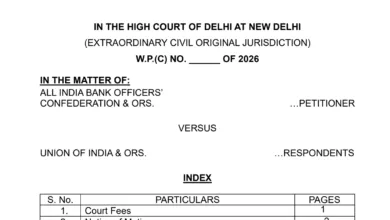
Public Sector Banks play a crucial role in supporting the Indian Economy. They cater to the needs of a vast majority of Indians and provide employment opportunities to countless individuals. Each year, around 2 million aspirants compete in various bank examinations, such as IBPS PO, SBI PO, IBPS Clerk, and SBI Clerk, in hopes of securing a position in these banks. However, recent concerns have emerged regarding the promotion policies within the banking sector.
Specifically, the promotion process, particularly in the higher positions, has come under scrutiny for its alleged reliance on nepotism rather than meritocracy. This issue has been raised by the general secretary of the All India Punjab National Bank Officers Federation on X (formerly Twitter).
Please tell us in the comment section what do you think – whether promotions in public sector banks are fair not. If you want to share your story with us please send it on whatsapp to us @ 8736093825. Click here to join our whatsapp group.
Why promotions should be based on Meritocracy?
Meritocracy is of utmost importance in any organization, including public sector banks. Promotions based on talent rather than nepotism ensure fairness, transparency, and overall efficiency within the banking sector. Here are a few reasons why meritocracy should be the guiding principle for promotions:
- Equal opportunities: Promoting individuals based on their abilities and performance provides equal opportunities for all employees. It ensures that hardworking and talented individuals are recognized and rewarded, regardless of their background or connections. This fosters a sense of fairness and motivates employees to strive for excellence.
- Optimal resource allocation: By promoting individuals based on merit, organizations can allocate their resources effectively. Talented individuals are more likely to bring valuable skills, expertise, and innovative ideas to higher positions. This promotes efficiency and ensures that the right people are in the right roles, leading to better decision-making and overall organizational success.
- Employee morale and motivation: Merit-based promotions boost employee morale and motivation. When employees see that their hard work and dedication are recognized and rewarded, they feel valued and motivated to continue performing at their best. This creates a positive work environment, fosters healthy competition, and encourages professional growth.
- Retention of top talent: In a meritocracy, top performers are more likely to stay within the organization. When employees see that their talent and hard work are acknowledged and that there are opportunities for growth, they are less likely to seek opportunities elsewhere. This helps organizations retain their best employees, which is crucial for long-term success.
- Trust and credibility: Promoting individuals based on talent and merit enhances the trust and credibility of the organization. It sends a message to both employees and external stakeholders that the organization values fairness, transparency, and competence. This can have a positive impact on the reputation of the organization and build trust among customers, shareholders, and the public.