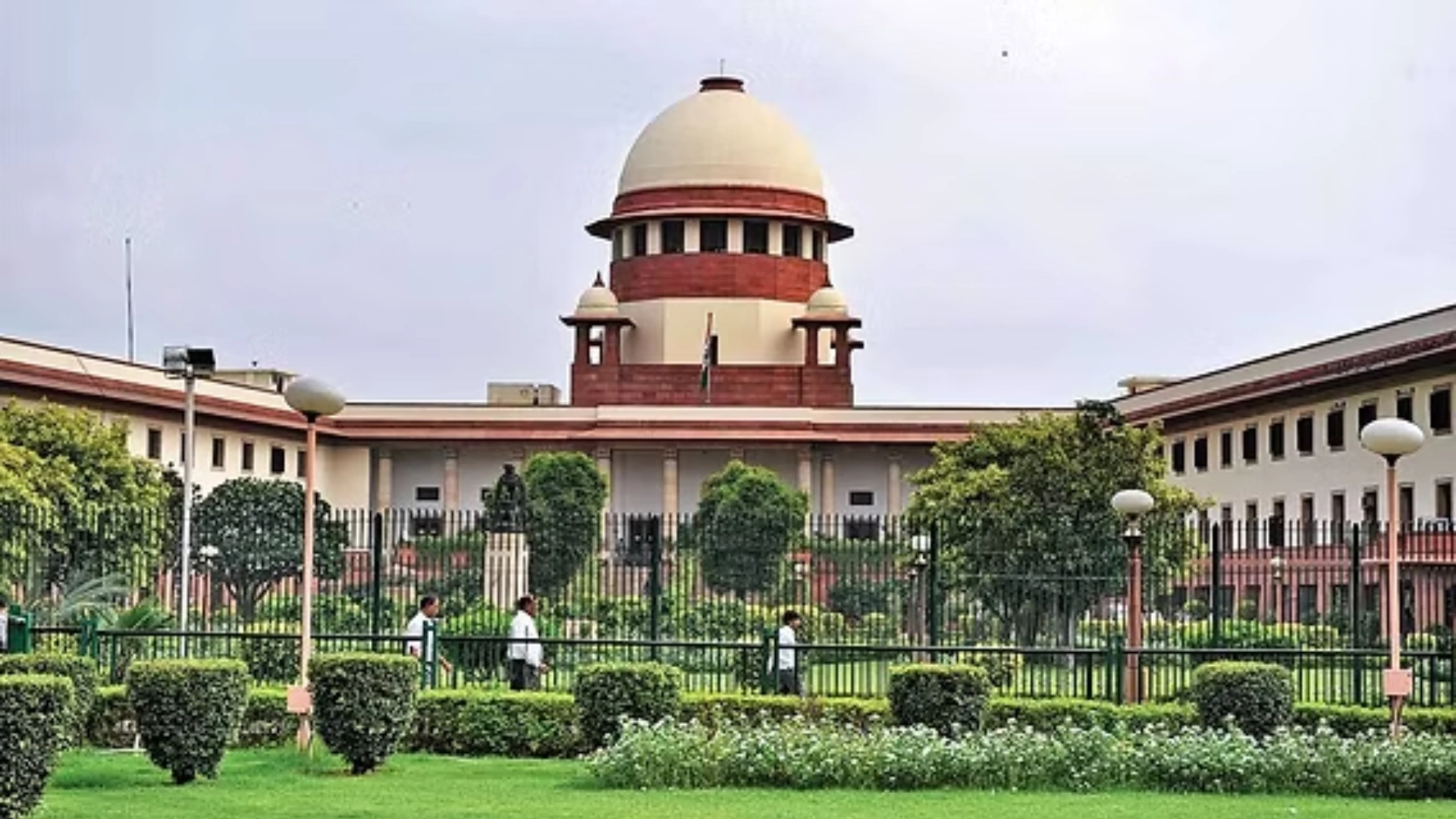
In a major ruling on government jobs, the Supreme Court of India has clearly said that wait-listed candidates do not have any automatic or vested right to appointment once the waiting list expires.
The judgment brings important clarity for lakhs of aspirants who remain on waiting or reserve lists after recruitment exams.
What did the Supreme Court say?
The Court observed that if even a candidate in the main select list does not have an absolute right to appointment, then a wait-listed candidate cannot claim a better right.
Quoting the landmark Constitution Bench judgment in Shankarsan Dash v. Union of India, the Court said:
“When a candidate in a select list has no indefeasible right to appointment, it is too far-fetched to say that a wait-listed candidate would have a better right.”
Case Background
The case arose after the Rajasthan Public Service Commission challenged orders passed by the Rajasthan High Court.
The High Court had directed the government to appoint wait-listed candidates even after the validity of the waiting list had expired. RPSC argued that this violated recruitment rules.
How does a waiting list actually work?
The Supreme Court explained the true nature of a waiting list in simple terms:
- A waiting list is prepared after the main merit list
- It includes candidates who passed the exam but could not make it to the final selection
- It works like a queue, only for vacancies left unfilled
- A waiting list has a fixed validity period
- Once the validity expires, no appointment can be claimed
- Appointment from the waiting list is a procedural option, not a guaranteed right
Two important situations explained by the Court
The Court explained when a wait-listed candidate may or may not get a chance:
✅ Situation 1: Selected candidate does not join
If a selected candidate fails to join within time, and the waiting list is still valid, the next wait-listed candidate should normally be considered. Authorities must give valid reasons if they refuse.
✅ Situation 2: Selected candidate joins but resigns
- If resignation happens during the waiting list validity, the next candidate may be considered
- If resignation happens after the waiting list expires, the wait-listed candidate has no right to appointment
Final verdict
The Supreme Court held:
A wait-listed candidate has no right to appointment, unless recruitment rules clearly allow it and the waiting list is still alive. Once the list expires, no claim survives.
Based on this reasoning, the Court allowed RPSC’s appeal and set aside the Rajasthan High Court’s directions.
- Download Court Order PDF (This PDF is available for Premium Users Only. Click here to join premium)
-
-

-
-

-
-

-
-

-

-
-

-