Police in Raipur have exposed a gang involved in buying and selling mule bank accounts and using them for illegal financial transactions. In connection with the case, police arrested two accused, including a long-absconding permanent warrant holder. According to the police, the gang used to collect bank account details and ATM cards from people by misleading them and then used those accounts to carry out large illegal transactions.

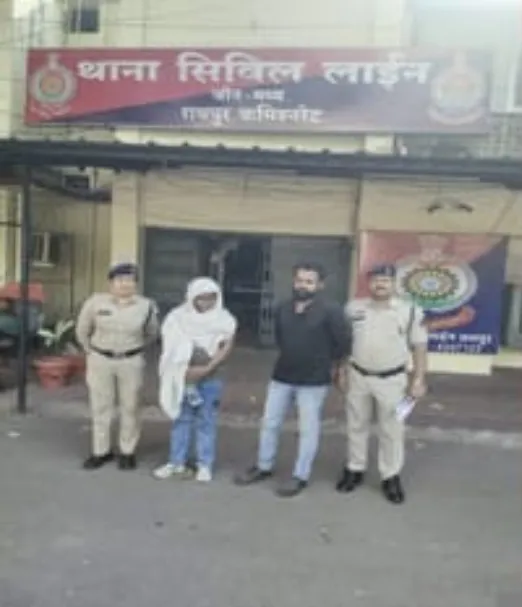
During the operation, police recovered several items from the accused, including 13 ATM cards from different banks, 7 bank passbooks, 8 SIM cards, and 3 mobile phones. The case came to light after a complaint was filed by Pawan Yadav, a resident of Shyamnagar, at the Civil Lines police station in Raipur. In his complaint, he said that a woman named Pooja Singh, who used to visit his grocery shop, along with her associate Sunil Yadav alias Sonu, trapped him with false promises.
A mule account is a bank account that is used by criminals to move or transfer illegal money. Fraudsters often use these accounts to hide the real source of the money obtained through scams, cyber fraud, or other illegal activities.
In many cases, criminals convince people to open bank accounts or share their account details in exchange for a small commission. These accounts are then used to receive and transfer stolen money.
- To receive money obtained through online scams or fraud.
- To transfer the money quickly to other accounts.
- To hide the identity of the real criminals behind the fraud.
- Someone asking you to open a bank account for them.
- Requests to share your ATM card, OTP, or banking details.
- Offers of easy money for allowing transactions through your account.
Banks and law enforcement agencies regularly warn customers not to share their bank accounts or financial details with unknown people, as involvement in mule accounts can lead to legal action.
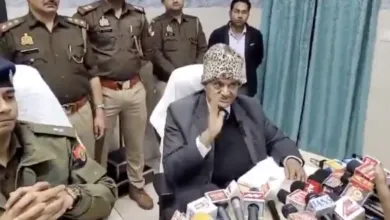
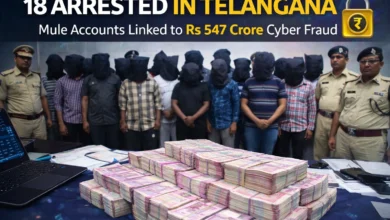
More than 27 lakh mule accounts have been identified and shared with participating entities. Authorities have frozen over ₹9,518 crore linked to fraudulent transactions.
Studies suggest that 9 out of 10 mule accounts may go undetected by banks, meaning the known accounts may represent only the “tip of the iceberg.”
In 2024, Karnataka reported over 3 lakh complaints against private banks and more than 2.5 lakh complaints against public sector banks. About 42.9% of cybercrime cases in Bengaluru were linked to investment fraud. In Jammu & Kashmir, around 8,000 mule accounts were frozen within three years.
Investigations show that a single device may log into up to 35 different accounts. Around 86% of transactions start in India, but this drops to 20% after one month, showing how quickly illegal funds move across international networks.
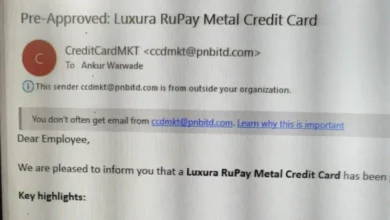
Cybercriminals often use tactics such as “digital arrests” to scare victims and fake job offers to recruit unsuspecting people as money mules who help transfer, receive, or withdraw illegal funds.
The accused told him that money from a company would be transferred to his account and asked him to provide his bank account number and ATM card. Believing their story, he handed over the details to them.
Later, the accused used his account to carry out transactions worth around ₹1.5 lakh and transferred the money to several other accounts. A few days later, the complainant received a call from the bank informing him that his account had been placed on hold due to suspicious and fraudulent transactions. Only then did he realize that he had been cheated.
During police investigation and questioning, the accused revealed that they used to target people in Chhattisgarh and other states by luring them into sharing their bank accounts and ATM cards. These accounts were later sold in Asansol, where they were used for illegal financial transactions.
Police also revealed that the main accused, Sunil Yadav, had a criminal history. He had previously been jailed in assault and robbery cases by the Government Railway Police in Charoda. He was also a permanent warrant holder in a robbery case registered at Kumhari police station and had been absconding for a long time.
Police have registered a case against both accused under Sections 318(4) and 3(5) of the Bharatiya Nyaya Sanhita and further investigation in the matter is currently underway.
-

-

-
-

-

-
-

-
-

-

-
-